
Fibre: The unsung hero of a healthy diet
When it comes to nutrition, protein often takes centre stage. Carbohydrates and fats are frequently debated. Yet, there’s one vital nutrient that quietly supports nearly every aspect of our health… and most people aren’t getting enough of it. That nutrient is fibre.
It may not be the most glamorous part of a diet, but fibre plays a crucial role in digestive health, heart protection, blood sugar regulation, and more.
What is fibre?
Fibre is a type of carbohydrate found in plant-based foods. Unlike most carbohydrates, it is not digested by the human body and that’s precisely what makes it so beneficial.
Because fibre resists digestion, it travels through the digestive system largely intact. Along the way, it helps cleanse the intestines, feeds beneficial gut bacteria, and slows the absorption of sugar into the bloodstream.
There are two main types of dietary fibre:
- Soluble fibre: Dissolves in water to form a gel-like substance. It helps regulate blood sugar levels and lower cholesterol.
- Insoluble fibre: Does not dissolve in water. It adds bulk to stool and supports regular bowel movements.
Both types are important, and many plant-based foods contain a mix of the two. (1)

Why fibre is essential for your health
Fibre does more than just support regular digestion. It contributes to the prevention of chronic diseases, helps maintain energy balance, and even supports mental wellbeing via the gut-brain axis. (1)
Here are some of the key health benefits of a fibre-rich diet
1. Promotes Healthy Digestion
Insoluble fibre adds bulk to stool and helps it move efficiently through the digestive tract, reducing the risk of constipation. This promotes overall digestive health and improves bowel regularity. (2)
Tip: Adequate hydration is essential for fibre to function effectively. Always pair high-fibre foods with plenty of water
2. Supports Cardiovascular Health
Soluble fibre, particularly beta-glucan found in oats and barley, binds to LDL (“bad”) cholesterol in the digestive system and helps remove it from the body. Regular intake has been shown to lower cholesterol levels and reduce the risk of heart disease. (3)
3. Helps Regulate Blood Sugar
Soluble fibre slows the absorption of glucose, helping to prevent blood sugar spikes after meals. This is especially beneficial for people with diabetes or those at risk of developing the condition. (4)
4. Aids in Weight Management
High-fibre foods are more filling, which helps curb appetite and reduce overall calorie intake. This effect makes fibre a useful tool for long-term weight management and obesity prevention. (5)
5. Reduces Risk of Colorectal Cancer
A diet rich in fibre, particularly from whole grains and vegetables, is associated with a reduced risk of bowel cancer. (6)

How Much Fibre Do You Need?
In the UK, the recommended daily intake for adults is 30 grams. However, most people consume significantly below this target with only about 18 grams per day.
Even small changes can make a substantial difference. Think of every extra portion of fruit, vegetables, or whole grains as a step closer to your fibre goal. (1)
Simple Ways to Increase Fibre Intake
Boosting your intake doesn’t require a complete dietary overhaul. Try these simple strategies:
Choose wholegrain versions of bread, pasta, rice, and cereals
Incorporate pulses like lentils, beans, or chickpeas into meals
Start your day with oats or bran-based cereals
Avoid peeling fruits and vegetables when possible
Snack on fruit, nuts, or oat-based snacks instead of processed options
Stay hydrated, especially when increasing fibre intake
Top Food Sources of Fibre
Fibre is found exclusively in plant-based foods (1). Here are some of the best sources, grouped by category:
Whole Grains
- Wholemeal or granary bread
- Whole-wheat pasta
- Brown rice, wild rice
- Rolled oats, oat bran, oatcakes
- High-fibre cereals (e.g. Weetabix, Shredded Wheat, All-Bran)
Legumes and Pulses
- Lentils
- Chickpeas (e.g. in hummus)
- Kidney beans
- Butter beans
- Baked beans (choose low-sugar/salt varieties)
Vegetables (especially with skins)
- Broccoli, cauliflower
- Carrots
- Green peas
- Sweetcorn
- Potatoes with skin
- Brussels sprouts
Fruits (fresh or dried)
- Apples and pears (with skin)
- Berries (raspberries, blackberries, blueberries)
- Bananas
- Oranges
- Dried figs, prunes, apricots (in moderation)
Nuts and Seeds
- Almonds
- Chia seeds (also high in omega-3 fatty acids)
- Flaxseeds (great in porridge or smoothies)
- Pumpkin seeds
- Sunflower seeds

What the research shows
Extensive research highlights the protective role of fibre in long-term health. According to data from the British Nutrition Foundation and the NHS, a high-fibre diet is associated with:
- 16–24% reduced risk of type 2 diabetes (7)(8)
- 7–24% reduced risk of cardiovascular disease (9)
- 10–20% lower risk of colorectal cancer (10)
- Lower body weight and reduced inflammation (11)
- Greater diversity in gut microbiota, supporting immunity and mental health (12)
Fibre Maxing
Fibre-maxing is the growing trend of intentionally boosting dietary fibre intake, often exceeding the standard 25–30 g daily recommendation, by centring meals around fibre-rich foods such as whole grains, legumes, fruits, vegetables, nuts and seeds. The movement has gained traction on social media as more people recognise fibre’s role in supporting digestive health, nurturing the gut microbiome, regulating blood sugar and cholesterol, and aiding satiety and weight control. (13) Research consistently links higher fibre consumption to a reduced risk of chronic diseases like type 2 diabetes, heart disease and certain cancers (14). Although there is research to support the health benefits of meeting your recommended intakes, the fibre-maxing trend itself lacks scientific evidence or any regulated recommendations.

Therefore, nutrition experts, emphasise that fibre-maxing should be approached gradually and with care. Suddenly increasing fibre from low to very high levels (for example, 50–100 g per day) can trigger bloating, gas and discomfort, particularly if fluid intake is inadequate (15). Excessive fibre may also hinder the absorption of minerals such as iron and zinc or displace other key nutrients if diets become overly plant-fibre heavy (16). For most individuals, steadily increasing fibre to the recommended amounts through whole foods while maintaining a balanced diet provides the benefits without the drawbacks.
Fibre Is More Than Just Roughage
Fibre is a foundational element of a healthy diet – not just for digestive health, but for protecting the heart, stabilising blood sugar, supporting weight management, and reducing long-term disease risk. It also plays a central role in nourishing the gut microbiome, which influences everything from immunity to mental wellbeing.
In short, fibre is a nutritional powerhouse that’s often overlooked. Fortunately, it’s easy to add more fibre-rich foods to your diet… one meal, one snack, one swap at a time.
Myfood24
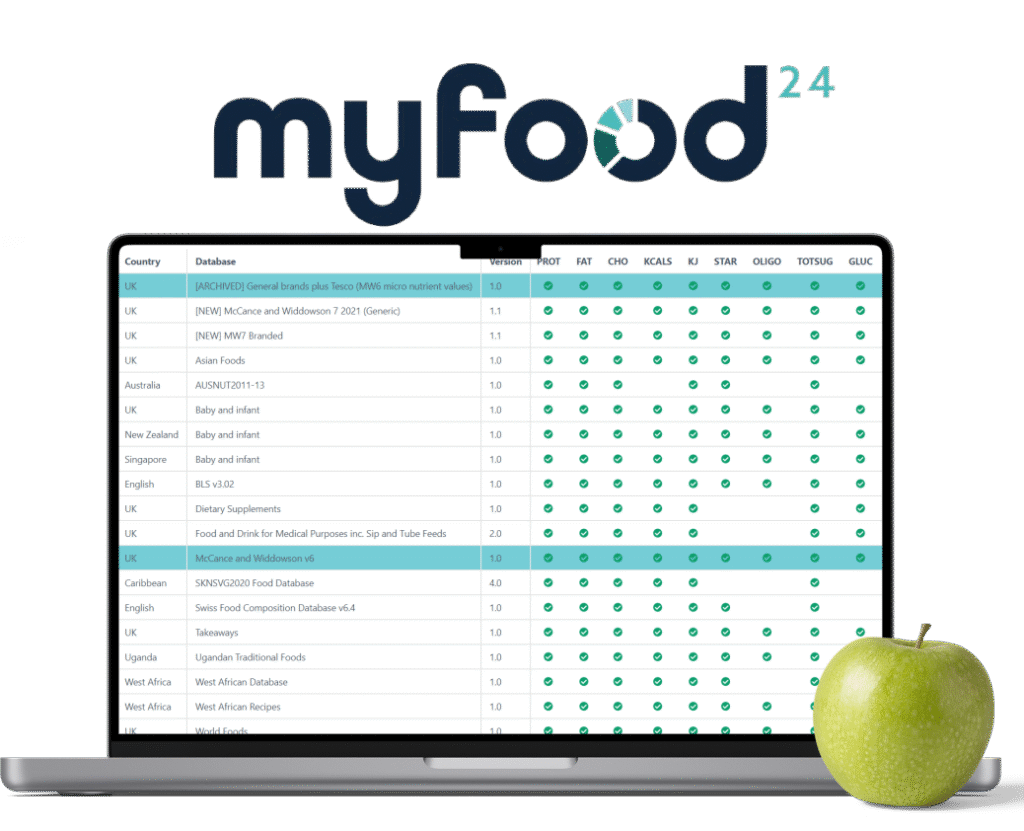
Our databases can help to analyse nutrient intake, and support your understanding of fibre content of the food you eat. You can track which foods are contributing positively to meeting your daily recommendation. In the UK our healthcare system can provide valuable insights for health professional to support their patient or clients. Our research and teaching platforms are available across many regions with 30 international datasets and nine languages. Each of these datasets provide a detailed breakdown of nutrient intake for both research and educational purposes.
You can find out more about how you can use myfood24 by trying our free demo or get in touch.
References
- National Health Service, 2025. How to get more fibre into your diet. Available at: How to get more fibre into your diet – NHS
- Nature Reviews, 2020. Dietary fibre in gastrointestinal health and disease. Available at: Dietary fibre in gastrointestinal health and disease | Nature Reviews Gastroenterology & Hepatology
- Springer Nature Link, 2022. Dietary fibre in hypertension and cardiovascular disease management: systematic review and meta-analyses. Available at: Dietary fibre in hypertension and cardiovascular disease management: systematic review and meta-analyses | BMC Medicine
- National Library of Medicine, 2021. The Effect of Dietary Fibre on Gut Microbiota, Lipid Profile, and Inflammatory Markers in Patients with Type 2 Diabetes: A Systematic Review and Meta-Analysis of Randomised Controlled Trials. Available at: The Effect of Dietary Fibre on Gut Microbiota, Lipid Profile, and Inflammatory Markers in Patients with Type 2 Diabetes: A Systematic Review and Meta-Analysis of Randomised Controlled Trials – PMC
- Nature Reviews, 2024. Effects of dietary fibre on metabolic health and obesity. Available at: Effects of dietary fibre on metabolic health and obesity | Nature Reviews Gastroenterology & Hepatology
- International Journal of Environmental Research and Public Health, 2021. Association between Dietary Fibre Intake and Colorectal Adenoma: A Systematic Review and Meta-Analysis. Available at: Association between Dietary Fibre Intake and Colorectal Adenoma: A Systematic Review and Meta-Analysis
- National Library of Medicine, 2022. Associations between dietary fibre intake and cardiovascular risk factors: An umbrella review of meta-analyses of randomized controlled trials. Available at: Associations between dietary fiber intake and cardiovascular risk factors: An umbrella review of meta-analyses of randomized controlled trials – PubMed
- National Library of Medicine, 2025. Higher fiber higher carbohydrate diets better than lower carbohydrate lower fiber diets for diabetes management: Rapid review with meta-analyses. Available at: Higher fiber higher carbohydrate diets better than lower carbohydrate lower fiber diets for diabetes management: Rapid review with meta-analyses – PubMed
- National Library of Medicine, 2022. Associations between dietary fiber intake and cardiovascular risk factors: An umbrella review of meta-analyses of randomized controlled trials. Available at: Associations between dietary fiber intake and cardiovascular risk factors: An umbrella review of meta-analyses of randomized controlled trials – PubMed
- National Library of Medicine, 2022. Soluble and Insoluble Dietary Fiber Consumption and Colorectal Cancer Risk: A Systematic Review and Meta-Analysis. Available at: Soluble and Insoluble Dietary Fiber Consumption and Colorectal Cancer Risk: A Systematic Review and Meta-Analysis – PubMed
- National Library of Medicine, 2022. Associations between dietary fiber intake and cardiovascular risk factors: An umbrella review of meta-analyses of randomized controlled trials. Available at: Associations between dietary fiber intake and cardiovascular risk factors: An umbrella review of meta-analyses of randomized controlled trials – PubMed
- Frontiers in Nutrition, 2024. Gut microbiota, nutrition, and mental health. Available at: Frontiers | Gut microbiota, nutrition, and mental health
- Nature Reviews, 2020. Dietary fibre in gastrointestinal health and disease. Available at: Dietary fibre in gastrointestinal health and disease | Nature Reviews Gastroenterology & Hepatology
- Biomedical Central, 2025. Association of dietary fiber intake with all-cause and cardiovascular mortality in diabetes and prediabetes. Available at: Association of dietary fiber intake with all-cause and cardiovascular mortality in diabetes and prediabetes | Diabetology & Metabolic Syndrome | Full Text
- Springer Nature Link, 2025. Prevalence of gastrointestinal symptoms in the UK adult population and perceived effects of foods. Available at: Prevalence of gastrointestinal symptoms in the UK adult population and perceived effects of foods | European Journal of Nutrition
- Wiley, 2023. Factors affecting iron absorption and the role of fortification in enhancing iron levels. Available at: Factors affecting iron absorption and the role of fortification in enhancing iron levels – Perera – 2023 – Nutrition Bulletin – Wiley Online Library
Author: Jessica Eardley-Thompson, ANutr Nutritionist
Editor: Lucy Clarkson, SENr Nutritionist & Grace Williams, Head of Nutrition and Operations