
SAlt unpacked
Next up in our nutrient exposé series is salt. It is one of the most common ingredients in our diets… added to everything from snacks to sauces. However, there is more to this nutrient than taste. This blog sets out to expose the good, and the bad, of salt in our diets, share knowledge on salt intake and ensure you leave informed rather than confused.
What is salt?
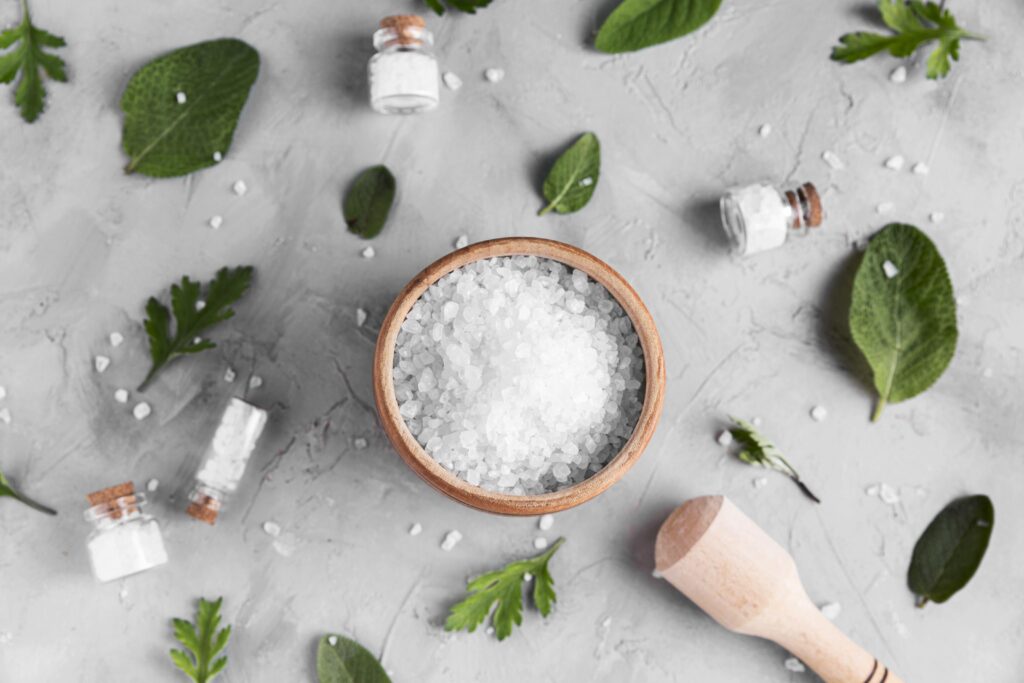
Salt was originally used to preserve food long before refrigeration existed, helping to keep meat, fish, and other perishables safe to eat. Over time, we’ve developed a strong preference for salty flavours. Today, we no longer rely on salt for preservation thanks to modern refrigeration, but our taste for it has stuck around (2).
Around 75% of the salt we eat comes from everyday packaged foods such as bread, sauces, ready meals, and snacks (2). It’s also common in restaurant dishes and takeaways, often in larger amounts than we realise.
Most people in the UK consume more salt than the recommended 6g per day (4,2), which can increase the risk of high blood pressure and related health issues. Understanding where salt hides in our food is key to making healthier choices.
THe role of salt
Salt is made up of two minerals: sodium and chloride.
- Sodium plays a key role in helping our nerves send signals and our muscles contract, so we do need some of it in our diet to stay healthy.
- Chloride helps to digest food
Together they are involved in maintaining the body’s water content
The catch? We only need a small amount. It’s easy to have too much, especially with how common salt is in processed foods. Excess salt can cause the body to retain extra fluid, putting more pressure on blood vessels. Over time, this can raise blood pressure and increase the risk of heart disease and stroke (3).
Salt in our foods: Where is it?
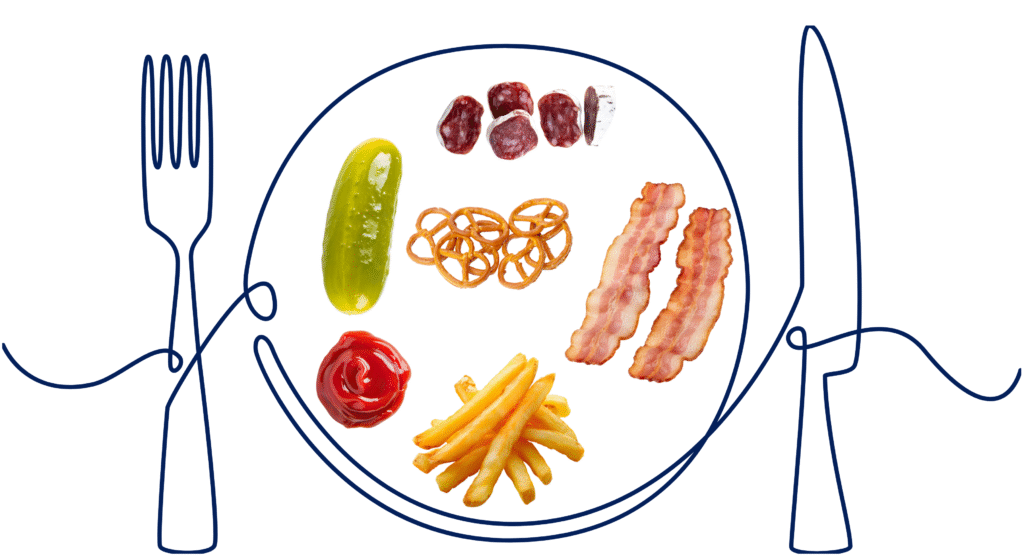
Most of the salt we eat doesn’t come from the saltshaker; it comes from everyday supermarket foods like breakfast cereals, soups, bread, sauces, and processed meats. As it’s already in the food, it’s easy to eat more salt than we realise.
The good news? There are simple ways to cut back:
- Check food labels to compare products – look for “low salt” or “reduced sodium” options (1).
- Swap salt for flavour by using herbs, spices, garlic, lemon juice, or pepper when cooking. These add depth and taste without the extra sodium (1).
Small changes can make a big difference over time… especially for health.
What about electrolytes?
What are electrolytes?
- Minerals and salts which have an electrical charge when dissolved in fluids
- Essential to maintaining fluid balance, supporting muscle contractions and nerve signal transmission
- Examples: Sodium, Potassium and chloride
- Electrolytes supplements can be found in different forms but most commonly as tablets or powder sachets to add to water (often flavoured)
- There are ways of making at home alternatives to electrolyte drinks, taking it from the basic to the more complex
Homemade Electrolytes Drink:
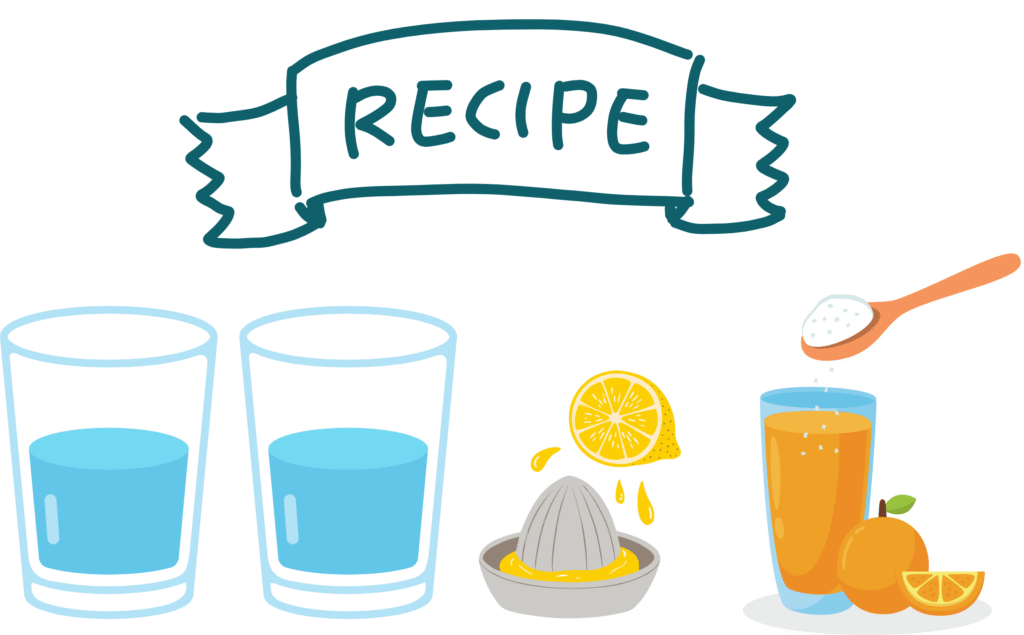
2 cups water
2 tablespoons lemon/lime juice
1 cup pineapple/orange juice
1/8 teaspoon of salt
(recipe inspiration here (5) )
Benefits
- Helps to maintain fluid balance during times of excess sweating e.g. exercising, and high temperature environments. When we sweat, we lose fluids and electrolytes, meaning we need to help the body replenish these losses
- In times of high sweat loss, consuming only water actually dilutes the electrolytes remaining in the body, whereas electrolytes drinks help to provide the much-needed water and electrolytes replenishment
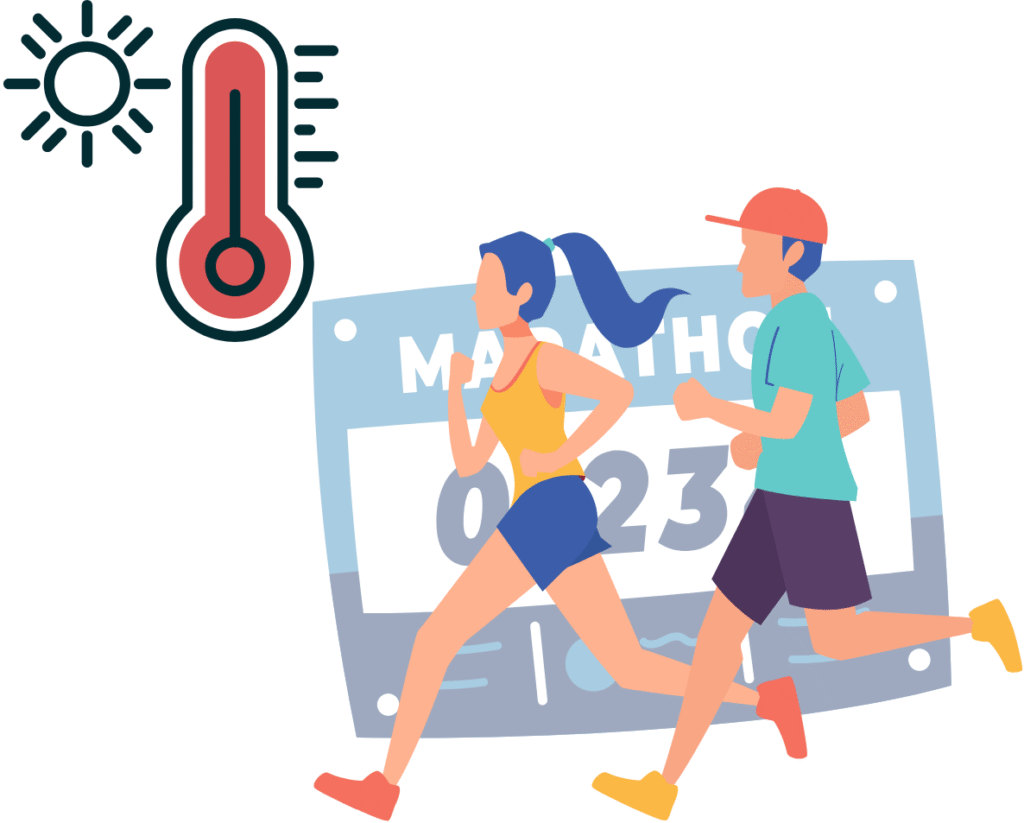
Example: Marathon Training/RunNING in the warm months
Some runners like to have an electrolyte carbohydrate combination drink during their sessions – helping to target both fluid balance and energy levels
- Make sure you maintain good hydration before, during and after the session
- Electrolyte drinks can be helpful as a pre or post session drink

Example: During Illness
Illness can reduce the fluid and electrolytes in the body e.g. vomiting and diarrhoea
- Similar to sweating, during these illnesses we can lose a lot of fluid and electrolytes from the body which need to be replenished
Risks
- Excessive sodium intake has negative health complications e.g. high blood pressure (1)
- Digestive issues can be triggered if too many electrolytes are consumed without enough water
Take Home messages
- Consume electrolytes only in the appropriate situations – electrolytes are not required to maintain balance in most normal days
- Electrolytes can be very helpful in some situations such as those mentioned above
- Ensure you consume enough water alongside electrolytes to get maximum benefit and prevent negative side effects
myfood24
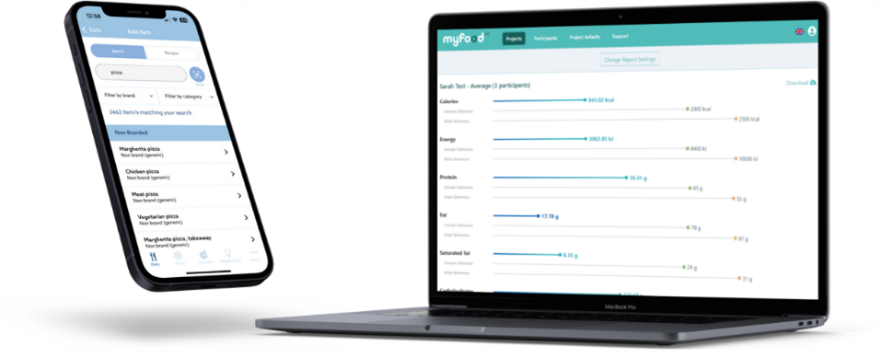
Our databases make it easy to analyse your nutrient intake – including how much salt (sodium) you’re consuming, and which foods contribute most. You can track your intake against daily recommendations and identify where changes might be helpful.
In the UK, our healthcare platform offers valuable insights for health professionals to support their patients and clients in managing salt intake and improving overall diet quality. Our research and teaching platforms are available in the UK and internationally, with access to 30 global food datasets in 9 languages — each offering a detailed breakdown of salt and other nutrients.
You can find out more about how you can use myfood24 by trying our free demo or get in touch.
References
- National Health Service (2023). Salt in your diet. Available at https://www.nhs.uk/live-well/eat-well/food-types/salt-in-your-diet/ [Accessed 28 Aug 2024].
- National Health Service: Better Health. Salt. Available at https://www.nhs.uk/healthier-families/food-facts/salt/ [Accessed 28 Aug 2024].
- British Heart Foundation (2021). Salt. Available at https://www.bhf.org.uk/informationsupport/support/healthy-living/healthy-eating/salt [Accessed 28 Aug 2024].
- Public Health England (2016). Government Dietary Recommendations. Available at https://assets.publishing.service.gov.uk/media/5a749fece5274a44083b82d8/government_dietary_recommendations.pdf [Accessed 28 Aug 2024].
- Runners World (2024). Yes, you can make your own electrolyte drinks. Available at: https://www.runnersworld.com/uk/nutrition/a62442509/homemade-electrolyte-drinks-energy-gels/
Author: Lucy Clarkson, SENr Nutritionist
Editor: Jessica Eardley-Thompson, ANutr Nutritionist & Grace Williams, Head of Nutrition and Operations