
The Facts of Fat
Next up in the macronutrient series is Fats!
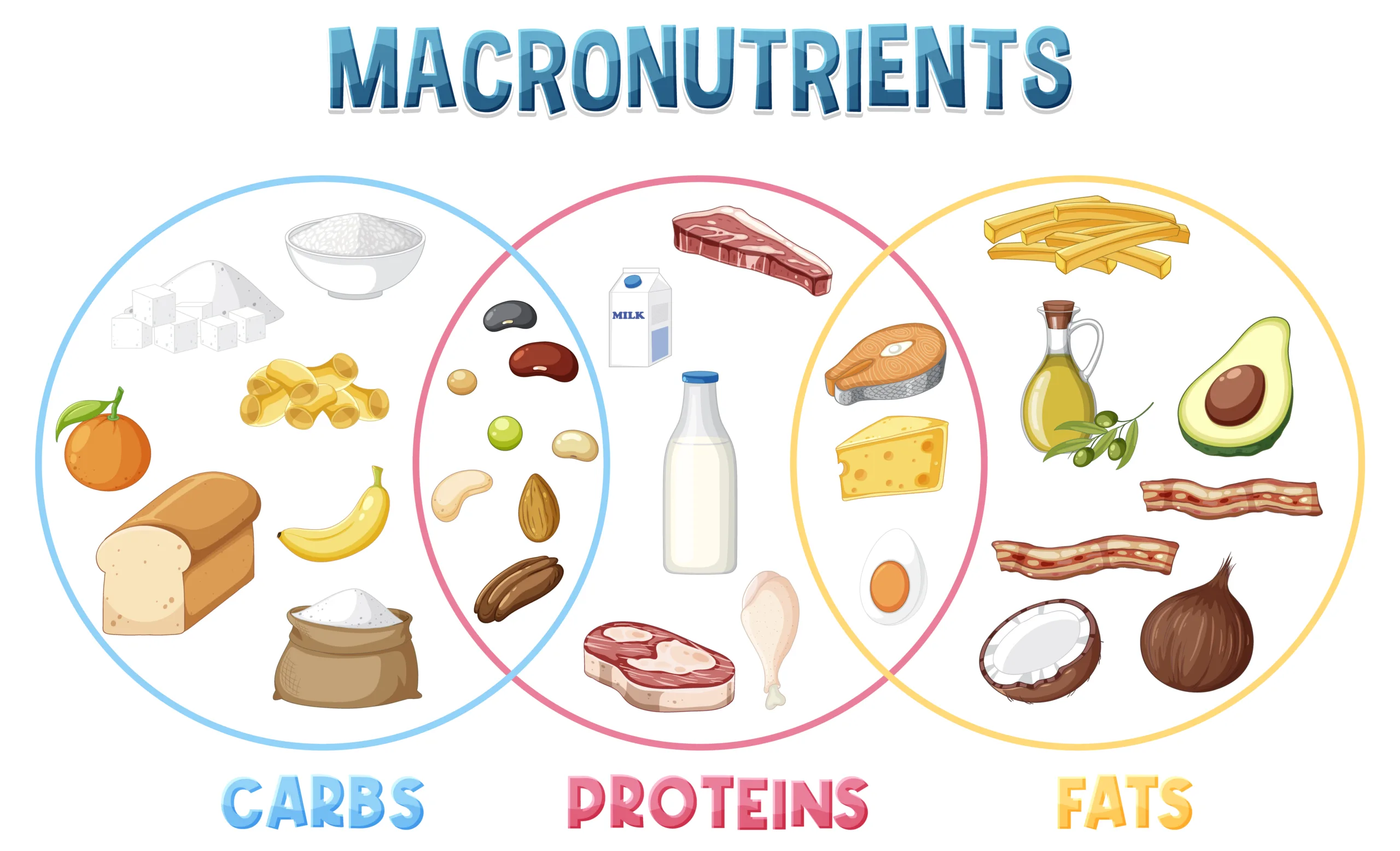
Fats have long been misunderstood in the world of nutrition. Once vilified, they’re now recognised as essential components of a balanced diet. As one of the three macronutrients, alongside carbohydrates and protein, fat plays a vital role in energy production, nutrient absorption, hormone regulation, and overall cellular health. (1)
But not all fats are created equal. Understanding the different types of dietary fats and their effects on health, is key to making informed choices that support both long-term wellbeing and day-to-day energy needs. (2)
What Are Fats?
Fats, also known as lipids, are a group of compounds that are energy-dense, providing 9 calories per gram; more than double the energy provided by carbohydrates or protein (which offer 4 calories per gram). This makes fat a highly efficient energy source, especially during prolonged low- to moderate-intensity activity or fasting periods. (3)
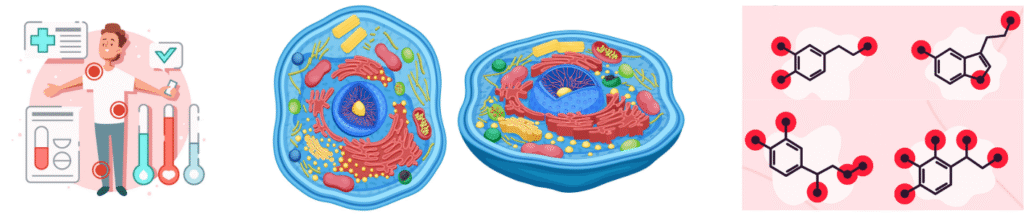
Fat is not just a fuel reserve; it’s crucial for survival and function, playing roles in:
- Cell structure (as part of the cell membrane)
- Insulating and protecting organs
- Hormone production
- Regulating body temperature
- Transporting fat-soluble vitamins (A, D, E, and K)
Some fats are also considered essential, meaning the body cannot synthesise them and must obtain them from food. These include omega-3 and omega-6 fatty acids, which support brain function, heart health, and inflammatory regulation. (4).
How to Understand Types of Dietary Fats – Unhealthy and Healthy
Most foods contain a mixture of fat types, but they’re typically classified based on the predominant type they contain: (5)
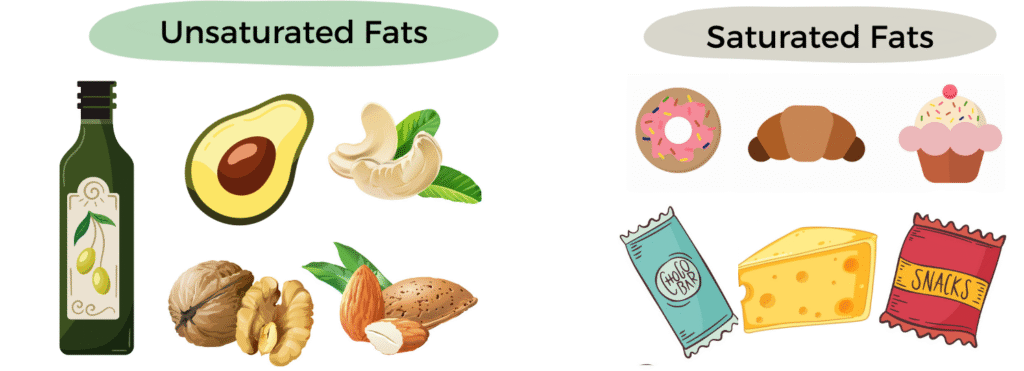
Unhealthy Fat: Saturated Fat
- Structure: Contain no double bonds between carbon atoms; typically, solid at room temperature.
- Sources: Fatty cuts of meat, full-fat dairy products (butter, cheese, cream), palm oil, coconut oil, baked goods, crisps, and fried snacks.
- Health Impact: A high intake of saturated fats is associated with increased levels of low-density lipoprotein (LDL) cholesterol, often referred to as “bad” cholesterol. Elevated LDL is linked to an increased risk of heart disease and stroke.
Top Tip: Limit intake of foods high in saturated fats, replacing them with healthier fat sources where possible.
Healthy Fat: Unsaturated Fat
Unsaturated fats are typically liquid at room temperature and can be further divided into:
1. Monounsaturated Fats (MUFA)
- Sources: Olive oil, rapeseed oil, avocados, nuts (e.g., almonds, peanuts).
- Benefits: Help reduce LDL (‘bad’) cholesterol and may support insulin sensitivity.
2. Polyunsaturated Fats (PUFA)
- Sources: Oily fish (salmon, mackerel, sardines), walnuts, flaxseeds, sunflower oil.
- Benefits: Include omega-3 and omega-6 fatty acids, which are essential for cardiovascular, cognitive, and inflammatory health.
Top Tip: Emphasise unsaturated fats in the diet to support heart health, brain function, and anti-inflammatory processes.
Trans Fats
Trans fats are naturally occurring is some diary foods and red meat in small amounts and are safe to eat. However, artificial trans fats are present in other foods that are not beneficial to our health.
- Sources: Small amounts found naturally in dairy foods and red meat. Artificial trans fats found in biscuits, cake, margarine, take-aways
- Health Impact: Artificial trans fats can raise low-density lipoprotein (LDL) cholesterol (‘bad’ cholesterol) which is linked with increase risk of heart disease and stroke.
What do fats do?
Fats are more than just stored energy. Their biological functions include:
Nutrient Absorption
Fat is required for the absorption of fat-soluble vitamins A, D, E, and K. These nutrients are essential for immunity, bone health, vision, and cellular protection (6). Without adequate dietary fat, the body struggles to absorb these nutrients.
Cholesterol Balance
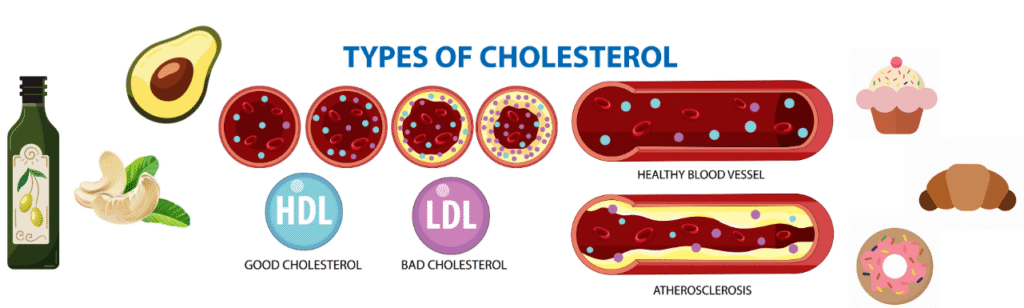
While cholesterol is often viewed negatively, it’s essential for hormone synthesis and cell membrane integrity. However, balance is key:
- ‘Bad’ Cholesterol – LDL (low-density lipoprotein): High levels can increase the risk of plaque build-up in arteries, which can lead to health complications such as strokes.
- ‘Good’ Cholesterol – HDL (high-density lipoprotein): Helps remove excess LDL from the bloodstream, decreasing your chances of health complications such as strokes.
Dietary fat choices significantly impact cholesterol levels. Saturated fats tend to raise LDL levels, while unsaturated fats help increase HDL and lower LDL.
Energy Storage
Excess dietary fat, like unused carbohydrates or protein, is stored as body fat (adipose tissue). While some body fat is essential, excessive storage, especially visceral fat (fat around your vital organs – heart, lungs, digestive tract) can increase the risk of chronic diseases such as type 2 diabetes and cardiovascular disease. (7)
Finding your fat?
Here’s a breakdown of common sources of dietary fats and how they affect health:
Sources of Unhealthy Fats (Saturated Fat) (Consume in Moderation):
- Fatty meats (sausages, bacon)
- Full-fat dairy (butter, cheese, cream)
- Processed snacks (crisps, cakes, biscuits)
- Palm and coconut oil
- Deep-fried foods and takeaways
Sources of Healthy Fats (Unsaturated Fat) (Encouraged):
- Oily fish (e.g., salmon, sardines, trout) – rich in omega-3s
- Nuts and seeds (e.g., walnuts, flaxseeds, chia)
- Avocados
- Plant-based oils (olive oil, rapeseed oil, sunflower oil)
- Nut butters (with no added sugars or hydrogenated oils)
Including more of these foods supports a healthy lipid profile and contributes to the prevention of non-communicable diseases.
Want to know more about Omegas? Check out our Omegas blog here!
How much should of the good fats should I eat?
In the UK, official dietary guidelines do not set a specific recommended daily intake for “healthy fats” alone. However, there is clear guidance on total fat, saturated fat, and the encouragement to consume unsaturated fat (which include “healthy fats” like monounsaturated and polyunsaturated fat). (8)
UK Government Recommendations (based on a 2,000 kcal/day diet):
| Type of Fat | Recommendation |
| Total Fat | No more than 70g per day |
| Saturated Fat | No more than 20g per day |
| Trans Fats | Keep as low as possible |
| Unsaturated Fats | No set amount, but encouraged |
Fat Is Essential… But Quality Matters
Fat is not something to fear, it’s a crucial component of a healthy diet. The key lies in choosing the right kinds of fats and consuming them in appropriate amounts. Rather than eliminating fat, focus on replacing saturated fats with unsaturated alternatives, and include sources of essential fatty acids regularly.
A heart-healthy plate might include grilled salmon with olive oil-roasted vegetables, a handful of walnuts, or avocado on wholegrain toast; all excellent sources of beneficial fats.
Top Tips
- Choose the right kinds! Opt for healthy (unsaturated) fats like oily fish, and nuts and seeds, and decrease your intake of unhealthy (saturated) fats
- Watch your portion size! Fat is still fat, and calorific, chose the right kinds, but make sure you don’t overeat past your 70g.
Myfood24
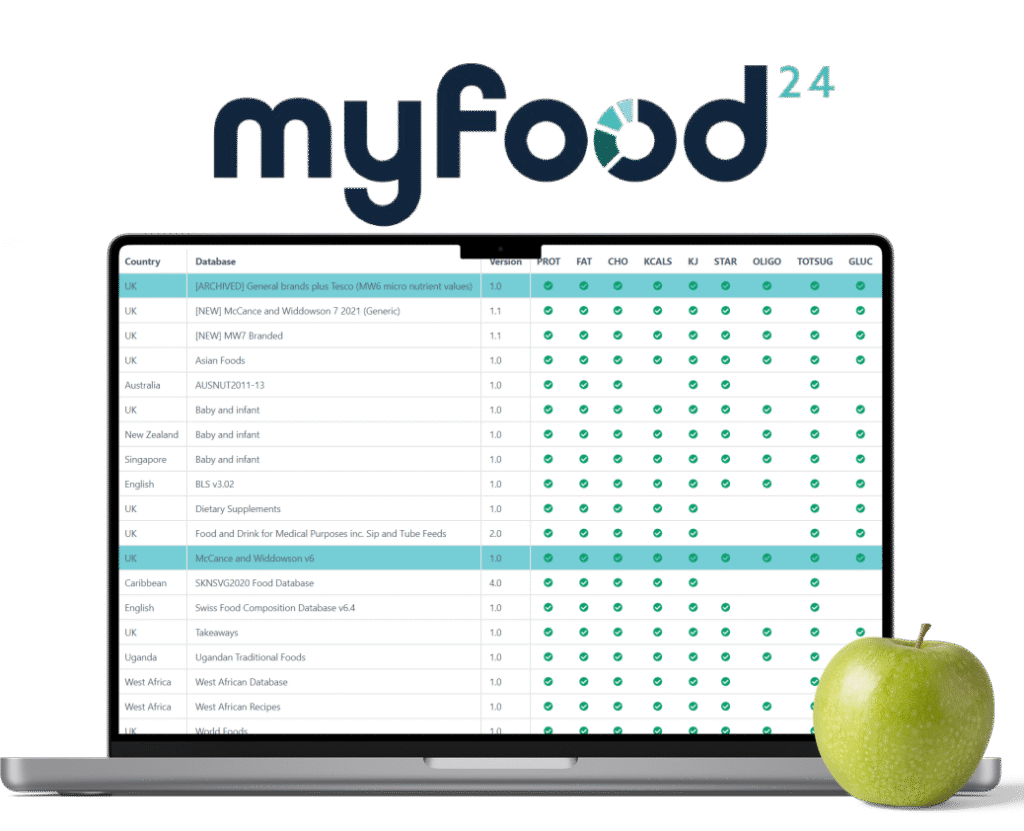
Our databases can help to analyse nutrient intake, and support your understanding of fat content of the food you eat. You can track which foods are contributing positively to meeting daily recommendation. In the UK our healthcare system can provide valuable insights for health professionals to support their patients or clients. Our research and teaching platforms are available across many regions with 30 international datasets and nine languages. Each of these datasets would provide a detailed breakdown of nutrient intake for both research and educational purposes.
You can find out more about how you can use myfood24 by trying our free demo or get in touch.
References
- Science Direct, 2024, Introduction: The Role of Fats in Human Diet. Available via: Introduction: the role of fats in human diet – ScienceDirect
- International Journal of Nutrition Sciences, 2022, The Effects of Different Types of Dietary Fatty Acids of Body Fat: A Review. Available via: The Effect of Different Types of Dietary Fatty Acids on Body Fat: A Review
- National Library of Medicine, 2024, Introduction to Lipids and Lipoproteins. Available via: Introduction to Lipids and Lipoproteins – Endotext – NCBI Bookshelf
- Springer Nature Link, 2021, Dietary Polyunsaturated Fatty Acids (PUFAs): Uses and Potential Health Benefits. Available via: Dietary Polyunsaturated Fatty Acids (PUFAs): Uses and Potential Health Benefits | Current Nutrition Reports
- National Health Service, 2023, Fat: The Facts. Available via: Facts about fat – NHS
- Journal of Clinical Medicine, 2024, Fat-Soluble Vitamins A, D, E, K: Review of the Literature and Points of Interest for the Clinician. Available via: Fat-Soluble Vitamins A, D, E, and K: Review of the Literature and Points of Interest for the Clinician
- Nutrients, 2024, Visceral Adipose Tissue: The Hidden Culprit for Type 2 Diabetes. Available at: Visceral Adipose Tissue: The Hidden Culprit for Type 2 Diabetes
- Public Health England, 2016, Government Dietary Recommendations. Available via: Main heading
Author: Jessica Eardley-Thompson, ANutr Nutritionist
Editor: Lucy Clarkson, SENr Nutritionist & Grace Williams, Head of Nutrition and Operations